

Maintaining drainage systems in harsh weather conditions has saved me a lot of hassle and surprise costs, especially in the UK with unpredictable rain, storms, freezing spells, and the occasional heatwave. If you want your property protected from flooding, standing water, or that unpleasant lingering damp smell, looking after your drains is crucial. In this article, I’m sharing practical tips to keep your drainage systems working well without breaking the bank. Even when the weather won’t play ball!
Why Effective Drainage Matters in the UK
Drainage isn’t the most glamorous part of maintaining your home, but ignoring it can lead to plenty of headaches. Our UK climate serves up heavy rain, frost, and strong winds year round, putting drains and gutters to the test. Standing water can weaken foundations, create muddy patches in gardens or on car parks and make moss or algae thrive. Blocked or damaged drains attract pests and cause foul smells before you know it.
The Environment Agency calls flooding a popular concern in the UK, especially in low lying or older neighbourhoods with dated infrastructure. If your drains can’t keep up with a sudden deluge, you could face unexpected repair bills just when you least want them.
Common Issues for UK Drains in Bad Weather
Harsh British weather poses loads of challenges for drainage, some of which are simple to spot with a walk around your property. Here are the most popular issues in my experience:
- Blocked Drains: Leaves, mud, litter, or small bits of plastic can easily clog up drains, especially after autumn winds or a strong rainstorm.
- Overflowing Gutters: Gutters often get blocked by debris, making water pour off your roof in all the wrong ways.
- Cracked or Burst Pipes: A snap freeze followed by thawing puts a lot of pressure on old or poorly insulated pipes.
- Flooded Gullies and Soakaways: Very wet ground, especially in clay rich parts of the UK, makes water soak away more slowly.
- Poor Surface Runoff: Uneven driveways, blocked grates, or worn paving lead to water collecting where you really don’t want it.
Spotting these problems early helps keep expensive repairs at bay down the line.
Simple Steps to Prepare Drains for Rain, Snow, and Storms
Looking after the basics is the best way to protect your drainage whatever the weather. Here’s what I do. These steps need no fancy gadgets, just a little effort a couple of times a year (and after wild weather):
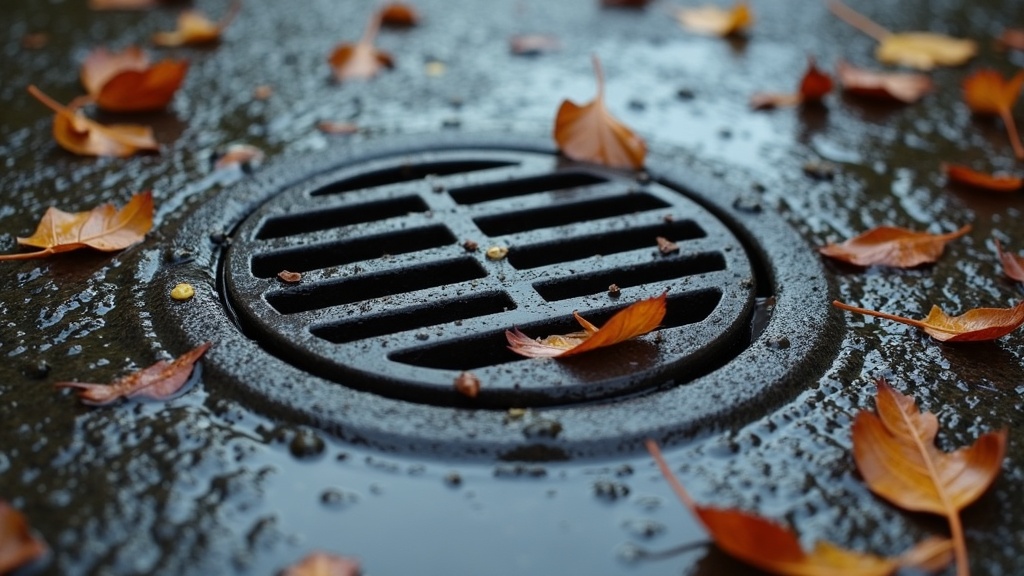
- Clear Debris from Grates and Gullies: Use a gloved hand or a small scoop to remove leaves, silt, and rubbish, especially after storms or big leaf drops.
- Flush Gutters and Downpipes: Run water through them with a hose. If it backs up, there’s probably a blockage to handle.
- Inspect Manhole Covers: Make sure they’re sitting flat and in good condition to avoid accidents or too much water entering at once.
- Check for Pooling Water: After heavy rain, walk around to see if any water is sticking around. This can point to poor runoff or a developing blockage.
- Trim Overhanging Branches: Nearby trees can fill gutters and grates with a mound of leaves in just a week or two.
Doing these checks before a big storm or at the start of each season saves plenty of future repairs and headaches.
What to Watch Out for in Extreme UK Weather
As unpredictable weather becomes more of a norm, drains face bigger threats. Here’s how rough weather can push things to the limit, plus what you can do about it:
- Sudden Heavy Downpours: Don’t just wash debris into a blocked grate. Remove it by hand to stop blockages further down the line.
- Long Freezing Spells: Insulate outdoor pipes well before winter sets in. Preventing burst pipes always beats cleaning up after one.
- Strong Winds and Storms: Once the wind dies down, check for loose tiles, branches, or rubbish that might have blocked gutters or drains.
- Flash Flooding: If your area floods, don’t lift drain or manhole covers yourself. Call in professionals, as it can be dangerous and tricky.
It pays to keep an eye on local weather alerts and the Environment Agency’s flood warnings during the busiest seasons. You’ll find updates here: Gov.UK Flood Warnings.
Easy Maintenance Tools and Tricks
I’ve come to rely on a few go to tools (all easy to buy in UK shops or online) that make drain care simple. These are my top picks:
- Drain Rods or Drain Snake: Just right for clearing out outdoor blockages before they get worse.
- Gutter Cleaning Scoops: Attach them to an extension pole to clear gutters safely from ground level.
- Basic Mesh Guards: Fit them into gullies or at the ends of gutters to trap leaves but keep water flowing.
- De-icing Salt or Grit: Use on cold days to keep gullies and paths safe and reduce icy build up.
- Bucket, Stiff Brush, and Old Washing Up Gloves: This classic set gets most outdoor cleaning done.
All of these are affordable, reusable for years, and make looking after your drains much easier, whatever the weather is doing outside.
When to Call a Professional Drainage Specialist
While most jobs are doable on your own, some signals mean it’s time to contact a pro:
- Wet patches or rising damp inside your house or near external walls.
- Visible cracks or leaks in covers and pipes outdoors.
- Repeatedly slow drainage even after debris has been cleared out.
- Persistent or unpleasant smells coming from drains.
Specialists use gear like CCTV drain cameras to spot hidden underground issues. Especially handy on older or complicated properties. If you suspect a bigger problem with shared or public drains, your water company can usually help with advice too.
You can find accredited drainage engineers near you through NADC – National Association of Drainage Contractors. In or around London, just contact www.iemdrainage.com.
FAQs About Drain Maintenance in Britain
Below are a few frequent questions I’m often asked about drainage, especially during the worst of the weather:
Q: How often should I check my outside drains and gutters?
A: Every three to six months works for most, but check more frequently if you have overhanging trees or after a big storm.
Q: My drain keeps blocking even after I clear it out. What should I do?
A: This could signal a deeper problem like tree roots or old, collapsed pipes. A drainage expert with a camera can track down the issue.
Q: Is it okay to use shop bought chemicals in an outdoor drain?
A: Better to skip harsh chemicals; they can harm pipes, wildlife, and the environment. Clear blockages manually or hire a pro for jetting.
Q: Who deals with shared drains or public sewers when there’s trouble?
A: Usually, your local water company or council takes care of shared drains or public sewers. Anything private and within your boundary, is your responsibility.
The Benefits of Regular Maintenance
Investing a little time into basic drain care cuts down on huge repair bills, insurance claims, and the stress of sorting out water problems after a storm. Damaged interiors or gardens can be costly to chip away at later on. I always suggest planning quick checks and clean ups at the end of autumn and again before spring, plus after any particularly awful weather.
The best thing you can do is to stay alert, catch the signs of trouble early, and ask for help before things spiral. Healthy drains don’t just protect your home. They save you from the worst that classic British weather can throw at you!
Thankyou so much for reading through this article on Maintaining Drainage Systems In Harsh Weather Conditions. We hope that you have found it to be helpful with managing your drainage systems. For further reading, why not take a look at our related article which is titled Common Drainage Problems And How To Fix Them.
All the best!
Eamon