

Drainage problems can show up in almost every garden or home at some point. Whether water pools on your lawn, your gutters spill over every time it rains, or there’s a bit of a pong coming from a drain, knowing what’s going on (and how to fix it) makes things a lot less stressful down the line. I’m covering the common drainage headaches you’re most likely to deal with and some pretty handy fixes that usually sort them out.
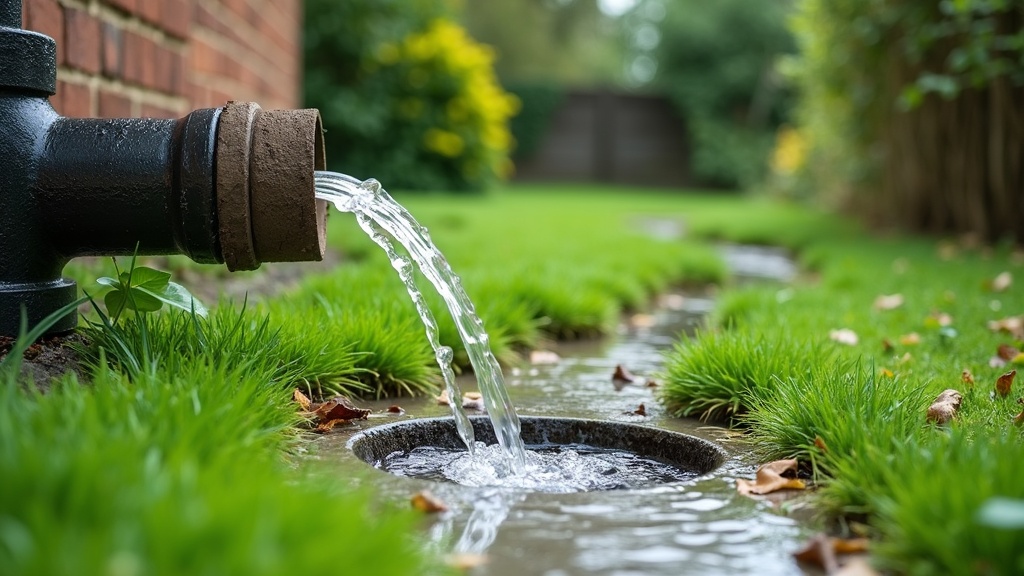
Why Drainage Problems Are Common in the UK
Rain is pretty much a given in the UK, so our homes and gardens get put through their paces every year. With older properties, clay soils, and the odd wonky garden, it’s no surprise that drainage troubles pop up regularly. Sorting these issues early helps save hassle later, from avoiding muddy patches on your lawn to keeping your foundations solid and mould away from your walls. Understanding where things go wrong is the best place to start.
Main Causes of Drainage Issues
Lots of things can contribute to poor drainage, and spotting these early makes fixing things simpler. Here are a few I come across over and over again:
- Poor soil absorption: Heavy clay soil or compacted ground can’t suck up water fast enough, so puddles hang around for ages.
- Blocked drains and gutters: Leaves, moss, and debris clog things up, and suddenly water overflows where it shouldn’t.
- Ineffective grading: If the land slopes towards your house rather than away, you’re pretty much inviting water in.
- Damaged or collapsed pipes: Older drains sometimes just give up, causing strange smells, slow draining, or even flooding.
Each of these needs a slightly different approach, so knowing your stuff pays off.
Common Drainage Problems and Solutions
Some problems are quick wins, while others need a little elbow grease or the help of a professional. Here are the most common problems and some action steps I find really effective:
Lawn or Garden Flooding
The issue: Soggy patches on your grass or big puddles after rain, sometimes taking days to dry out. This can make a lovely garden look messy and invite issues with slippery surfaces or dying grass patches.
Why it happens: Often, it’s down to heavy soils, compaction, or the garden sloping the wrong way. Sometimes, underground pipes or soakaways get blocked or damaged too.
Fix:
- Aerate the soil: Using a garden fork or aerator lets water drain through compacted ground more easily. For larger lawns, powered aerators are available to rent and can make the process easier and more consistent.
- Create a French drain: Dig a shallow trench, fill it with gravel, and lay in a perforated pipe to direct water away. After covering it over, you won’t even see it, but it’ll help keep soggy sections at bay.
- Improve landscaping: If your garden slopes towards your house, reshaping it so water flows away is a huge help. Adding topsoil or creating a new slope can be a DIY project, or landscapers can help make things more dramatic.
Blocked Gutters and Downpipes
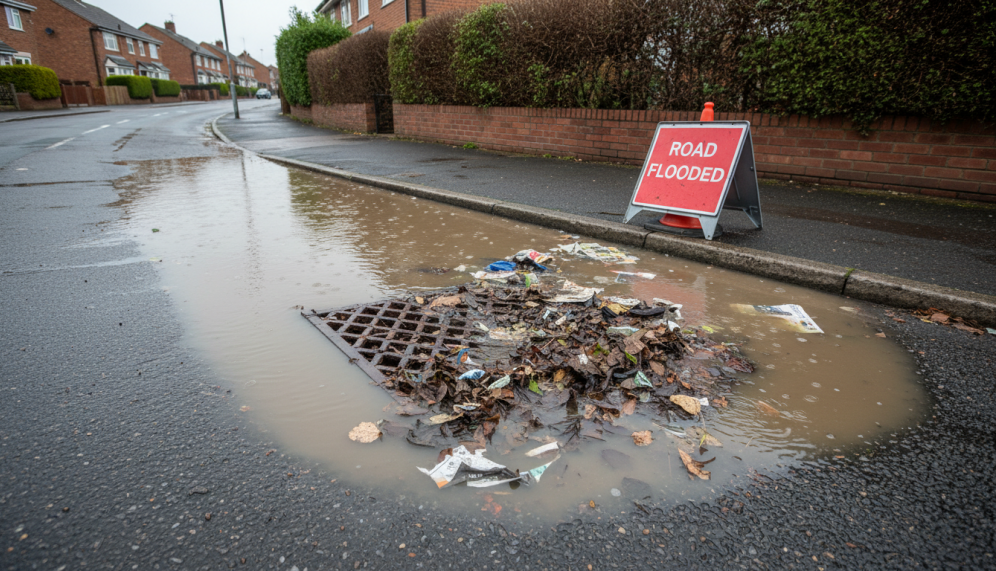
The issue: Water pouring over the sides of gutters, especially after heavy rain. This is often followed by dirty streaks down your brickwork, algae or moss growth, and even damp patches showing up inside the house.
Why it happens: Leaves, moss, silt and bits of roof tile all tend to build up in gutters and downpipes after months of neglect or after a period of stormy weather.
Fix:
- Remove debris: Clear your gutters at least once a year and maybe more if you have lots of trees nearby. Clearing before winter starts is always smart.
- Add guards: Mesh covers and gutter brushes stop leaves piling up, helping keep the pipes clear for longer. Guards can also stop birds from building nests, which is a common problem in quieter streets.
- Check for leaks and misalignments: Make sure joints aren’t leaking and the gutter has the right slope towards the downpipe. You can use a spirit level if you’re not sure, water should run down the pipe, not away from it.
Slow Draining or Smelly Drains
The issue: Sinks, baths or outdoor drains that empty slowly, sometimes with a bad smell. This can make using your kitchen, bathroom, or even just sitting in the garden less pleasant than it should be.
Why it happens: Outdoor drains get clogged with leaves or mud, while indoor pipes get blocked with fat, hair, and other bits of daily waste that build up out of sight.
Fix:
- Clear visible debris: Remove any leaves, mud, or moss blocking outside drains. Use a gloved hand or a scoop for safety, and check around the grating and just below the surface.
- Flush with hot water: A kettle of hot (not boiling) water often helps, especially for kitchen sinks that get greasy blockages. Pour slowly and repeat if needed.
- Unblock with tools: For tougher jobs, plungers or drain snakes are pretty handy. There are eco friendly drain cleaners on the market which break down organic blockages and don’t damage your pipes.
- Try a biological cleaner: These cleaners use enzymes to break down blockages and are gentle on both your plumbing and the environment.
Standing Water Near the House
The issue: Water collecting right next to your home’s foundations, which risks damp entering the house. Left unchecked, this can even affect structural integrity over time or create conditions for black mould indoors.
Why it happens: Poor slope, blocked drains, or broken pipework are all usual suspects for this kind of localised flooding.
Fix:
- Adjust ground levels: Make sure the ground slopes away from your house by at least a slight angle for the first couple of metres. You may need to add or remove soil to get the right angle.
- Check garden drains: Clear any blockages so water can flow away as intended, and check manhole covers if you have any for signs of overflow.
- Check for broken pipes: If the same area keeps getting wet again and again, you might have a cracked underground pipe. Drainage specialists can investigate with a small camera and suggest the least disruptive solution, from relining to replacement.
Other Factors Worth Considering
Sometimes drainage problems don’t come down to one single thing. Here are a few extras I check for when sorting garden or home water issues:
- Root intrusion: Tree roots often work their way into old clay pipes, causing blockages or even breakages. Persistent issues near big trees, or unexplained blockages, should raise suspicion.
- Heavy rainfall: Prolonged wet spells can highlight weak spots or flaws in your drainage that don’t show during drier periods. Make notes when problems surface, as this will help when discussing with a professional if needed.
- Neighbouring properties: Sometimes, drainage issues stem from neighbours with raised gardens, new patios or changed landscaping that now channels more water onto your plot. It’s worth chatting with your neighbours if you suspect this, often a friendly conversation leads to simple solutions.
Dealing with these factors may need more than just a quick fix, but tracking down the root cause helps prevent repeat problems.
Quick Tips for Ongoing Drainage Maintenance
Prevention is the easiest way to keep bigger problems at bay. Here are a few habits that make a real difference:
- Clear gutters and drains regularly, especially after autumn leaf fall or big storms.
- Check that downpipes don’t empty straight onto hard surfaces by the side of your house. Use drainpipes, splash blocks or water butts instead.
- Avoid tipping fats or old oil down sinks, pour them into the bin or an oil barrel instead to prevent pipe blockages.
- Keep an eye out for pooling water so you can deal with issues early, before they turn into bigger issues like damp or mould indoors.
- Inspect lawns for compacted soil. You’ll spot this if water sits on the surface after rain rather than soaking in. If this happens, aeration is your first fix.
Handy Upgrades to Consider
If drainage troubles keep cropping up, it might be time to take things up a notch. Here are some more permanent options that give peace of mind in the long run:
- Install a soakaway: A small pit or crate filled with gravel allows water from gutters or patios to seep underground gently. This stops overland flooding and keeps your garden tidy.
- Add permeable surfaces: If you’re thinking about a new patio or driveway, bricks or gravel that let water pass through really help keep excess water away from your house and out of storm drains.
- French drains/land drains: These hidden gravel trenches, sometimes with pipes inside, are great for moving water in large or sloped gardens.
- Rainwater harvesting: Water butts and simple rain tanks collect free rainwater for garden use and keep more water out of drains during heavy downpours.
Frequently Asked Questions About Drainage
Here are a few things people often ask about when tackling drainage problems, along with practical advice for keeping things running smoothly:
Question: What’s the quickest way to sort blocked guttering?
Answer: Use a gutter scoop or small trowel to remove debris, then flush the guttering with a hose to check the water flows properly. Adding guards helps prevent future build-up.
Question: Can I use chemical drain cleaners for outdoor pipes?
Answer: It’s best to avoid chemical cleaners, particularly outside. These can damage older pipes and are bad for the environment. Tools like a plunger or drain snake are safer and usually just as effective for clearing blockages.
Question: How do I know if I need a professional?
Answer: If you’ve cleared blockages but the issue keeps coming back, or if you spot water bubbling back up through drains or sunken patches of soil, it’s time to call in a drainage expert with the right equipment to undertake an inspection.
Making Drainage Work for You
Staying on top of drainage is a smart way to head off bigger, costlier repair jobs down the line. Routine checks, keeping gutters and drains clear, and a bit of clever landscaping usually do the trick. If you run into stubborn problems or ongoing bad smells, getting a professional drainage engineer to take a look is the right call. With practical fixes and regular attention, you can keep your home and garden dry, whatever the British weather throws at it. We all know just how unpredictable the weather is!
Many thanks for reading through this article on Common Drainage Problems And How To Fix Them. We hope that you have found it helpful in your quest to keep your drainage systems clean and free flowing. If you need any advice, please feel free to contact us. The contact us box is at the bottom of this article.
All the best!
Eamon